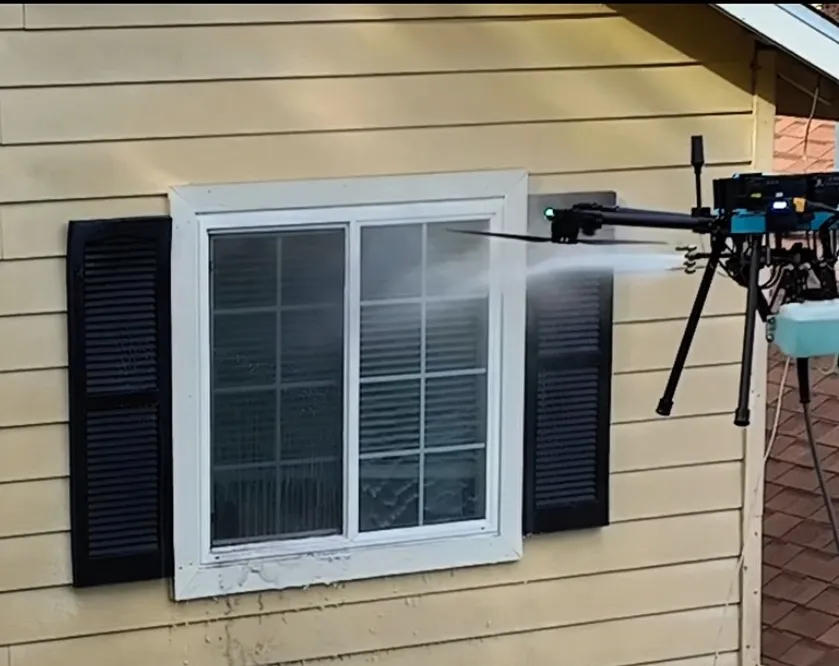
Most homeowners notice the chalky white spots on their windows after a few summers of sprinkler overspray and shrug them off as cosmetic. They're not. Hard water stains are mineral deposits — primarily calcium carbonate, magnesium, and silica — that progress through three predictable stages, and the third stage is permanent damage to the glass itself. Stage one is surface deposit. The minerals sit on top of the glass, look like fingerprint-shaped streaks, and rinse away with white vinegar or a dedicated CLR-style cleaner. This is where 90% of homeowners catch the problem, and at this stage it's genuinely a 30-minute Saturday job. Stage two is bonding. Once the deposits have been heated by direct sunlight through several daily cycles, the minerals chemically bond with the silica in the glass surface. Vinegar no longer works. Stronger acids — oxalic, hydrofluoric — start to be required, and they have to be used carefully or they damage adjacent frames and screens. Stage three is etching. Sustained exposure plus UV plus daily heat-and-cool cycling causes the bonded minerals to literally pit the glass at a microscopic level. At this stage no chemistry on earth removes the damage. The only options are restoration polishing (expensive, doesn't fully restore clarity) or pane replacement. Stage three develops over 2–5 years of unaddressed sprinkler overspray, and by the time it's visible from the street, it's usually irreversible. The frustrating part is that stage three is entirely preventable, and the prevention is unglamorous: stop the source, then stop the stage-one buildup before it bonds. Sprinkler overspray is the #1 culprit in Arizona and inland Southern California. Adjust heads to throw away from glass, not toward it. If you're on a well or hard municipal supply, the issue is compounded — Phoenix tap water runs 250–350 ppm of dissolved minerals, and Escondido well water can clear 600 ppm. For windows already showing stage-one or early stage-two spotting, the right cleaning method matters. Rinsing with pure deionized water — 0 ppm, no dissolved minerals — pulls existing soft deposits off without leaving behind a fresh layer. That's what professional window cleaning uses, and it's why pure-water systems leave a streak-free finish without any wiping. Doing the same job with tap water, even with the best squeegee technique, leaves a fresh deposit every time you clean. For homeowners, the practical playbook is: redirect sprinkler heads now, do a vinegar-and-water pass on any visible spots this weekend, and put the property on a quarterly pure-water rinse cycle. For HOAs and commercial properties, the same logic applies at scale — and the cost of staying ahead of the problem is dramatically less than the cost of replacing an etched picture window five years from now.
Tags#window-cleaning
Written By
John Peel
Founder & FAA Part 107 Pilot · Busy Drones Cleaners
Military veteran and founder of Busy Drones Cleaners. John flies every job personally and pioneered drone-based exterior cleaning across Arizona and Southern California.
Keep Reading
Related Articles
Ready to Get Started?
Get a Free Quote
Text us a few photos. We'll text back a flat price — usually within the hour. No walk-throughs, no sales pitch.
 Quick Quote
No spam. No obligations. John will text you back personally.